
Sod installation offers a remarkably swift path to a vibrant, established lawn, bypassing the lengthy wait associated with seeding.
Costs typically start around 40 cents per square foot for a DIY project, potentially reaching $400 for a 1,000-square-foot area.
Optimal timing depends on your grass type – spring for cool-season, and any time for warm-season varieties.
The Appeal of Instant Lawns
Sod delivers the undeniable allure of an immediately established lawn, a significant advantage for those desiring instant curb appeal or a usable outdoor space without delay. Unlike seeding, which requires patience and careful nurturing over weeks or months, sod provides a lush, green carpet almost instantly upon installation.
This immediate gratification is particularly appealing for new homeowners, those hosting events, or anyone eager to enjoy a functional lawn without the extended waiting period. The dense root system inherent in sod also offers superior erosion control compared to newly seeded areas, providing stability to slopes and preventing soil washout. Furthermore, a mature sod lawn effectively outcompetes weeds, reducing the need for extensive early-season weed control efforts. It’s a transformative solution for barren backyards or lawns needing renewal.
Cost Considerations for Sodding
Sodding costs encompass more than just the price of the sod itself. While you can anticipate a minimum of 40 cents per square foot for DIY installation, this figure represents a baseline. A 1,000-square-foot lawn could therefore cost around $400 for the material alone. However, additional expenses quickly accumulate.
These include soil preparation – potentially requiring amendments like starter fertilizer – delivery fees for the sod, and the cost of tools if you don’t already own them. Professional installation will significantly increase the overall expense, but saves considerable labor. Consider the value of your time and physical effort when weighing DIY versus professional options. Remember, proper preparation and aftercare, including consistent watering, are crucial for successful establishment and represent an indirect cost.
Choosing the Right Sod Type for Your Climate
Selecting the appropriate sod type is paramount for a thriving lawn, and hinges entirely on your local climate. Cool-season grasses flourish in regions with cold winters and moderate summers, while warm-season grasses excel in hotter climates. Laying sod in spring is generally best for cool-season varieties, offering ample time for establishment before summer heat.
However, warm-season grasses can be installed almost any time of year. If your lawn features established cool-season grasses cut tall, consider a shade-tolerant option like Dwarf Tall Fescue or Rough Bluegrass to ensure compatibility. Careful consideration of your climate and existing grasses will maximize your sod’s chances of success, resulting in a lush, healthy lawn for years to come.
Understanding Your Grass Type
Distinguishing between cool-season and warm-season grasses is crucial for proper lawn care, impacting mowing heights and watering schedules for optimal growth.
Cool-Season Grasses vs. Warm-Season Grasses
The fundamental difference lies in their optimal growing periods. Cool-season grasses, like Kentucky bluegrass, fescue, and ryegrass, thrive in moderate temperatures – flourishing during spring and fall, and often going dormant in the heat of summer.
Conversely, warm-season grasses, including Bermuda, Zoysia, and St. Augustine, excel in warmer climates, actively growing during the summer months and becoming dormant when temperatures drop. This dictates when you should lay sod.
Cool-season sod is best installed in spring or late summer, while warm-season sod can be laid any time of year when it’s actively growing. Understanding this distinction is paramount for successful establishment and a lush, healthy lawn tailored to your region’s climate.
Zoysia Grass: Specific Considerations
Zoysia grass presents unique characteristics demanding careful attention during and after installation; It’s known for its dense growth habit and excellent heat tolerance, making it ideal for warmer climates, but it establishes more slowly than some other varieties.
Unlike cool-season grasses, Zoysia doesn’t thrive with “tall yards and cut it high” approaches. Maintaining a moderate height is crucial. If existing grass is tall-growing, consider a shade-tolerant alternative like Dwarf Tall Fescue or Rough Bluegrass for seamless integration.
Post-installation, consistent and abundant watering is absolutely vital. Zoysia requires significant moisture to establish a robust root system. Prioritize hydration – water, water, and more water – to ensure successful growth and a beautiful, resilient lawn.
Shade Tolerance and Grass Selection (Dwarf Tall Fescue, Rough Bluegrass)
Shade tolerance is a critical factor when selecting sod, particularly in landscapes with trees or structures casting shadows. Not all grasses thrive in low-light conditions; choosing the right type is essential for a healthy lawn.
Dwarf Tall Fescue stands out as a remarkably shade-tolerant cool-season grass, maintaining good color and density even with limited sunlight. Rough Bluegrass (Poa trivialis) also exhibits excellent shade adaptation, often used in mixtures to enhance shade performance.
If your yard features significant shade, incorporating these grasses – either as sod or seed – is highly recommended. They provide a viable solution where sun-loving varieties would struggle. Remember to consider matching the grass type when repairing or expanding existing lawns for a uniform appearance and consistent growth habits.

Pre-Installation Site Preparation
Proper site preparation is paramount for successful sod installation, focusing on grade, compaction, and soil condition.
Correcting the lawn’s grade ensures proper drainage and a level surface for a beautiful, functional yard.
Loosening compacted soil is vital!
Assessing and Correcting Lawn Grade
Carefully evaluate the existing lawn’s slope and contours before sod installation; the final grade should mirror your desired landscape appearance, prioritizing effective water drainage away from structures.
Low spots can lead to water pooling, creating unhealthy conditions for the grass roots, while excessive slopes may cause erosion and difficulty with mowing. Use a level and straight edge to identify areas needing adjustment.
To correct imperfections, add topsoil to low areas, ensuring it blends seamlessly with the surrounding ground. For significant slopes, consider terracing or installing retaining walls to create a more manageable and aesthetically pleasing landscape. Remember, meticulous grading is a foundational step for a thriving, long-lasting lawn.
Soil Compaction and Remediation
Soil compaction, frequently caused by construction activity, severely hinders root growth and water infiltration, creating an unfavorable environment for new sod. Heavily compacted soil needs thorough remediation before installation to ensure successful establishment.
Begin by aerating the soil using a core aerator, which removes small plugs of soil, creating pathways for air, water, and nutrients to reach the roots. Following aeration, incorporate organic matter like compost to improve soil structure and drainage.
Loosen the soil to a depth of at least 6-8 inches, breaking up any remaining hardpan layers. Proper remediation revitalizes the soil, providing an ideal foundation for healthy root development and a lush, resilient lawn.
Loosening, Leveling, and Firming the Soil
After addressing soil compaction, the next crucial step is loosening, leveling, and firming the soil to create a receptive bed for the new sod. Begin by thoroughly raking the soil to break up any remaining clumps and remove rocks, roots, or debris.
Next, level the soil surface, ensuring a consistent grade that promotes proper drainage. Use a rake to fill in low spots and smooth out any uneven areas. Pay close attention to achieving the desired final grade, as it will be difficult to alter after sod installation.
Finally, lightly firm the soil with a lawn roller, creating a stable surface for the sod to adhere to. Avoid over-compaction, as this can negate the benefits of prior remediation efforts.
Essential Soil Amendments
Starter fertilizer is critically important before sod installation, providing essential nutrients for rapid root development and establishment.
Ensure the soil is thoroughly wetted to a depth of 2-3 inches before laying the sod.
The Importance of Starter Fertilizer
Starter fertilizer is not merely a suggestion, but a crucial component of successful sod installation. Freshly laid sod experiences immediate stress, lacking an established root system to efficiently absorb nutrients from the existing soil. A starter fertilizer, specifically formulated with a higher phosphorus content, directly addresses this need.
Phosphorus is vital for root development, encouraging quick and robust anchoring of the sod into the underlying soil; This rapid root establishment is paramount for preventing the sod from drying out and ensuring its long-term survival. Applying this amendment immediately before laying the sod allows for instant access to these essential nutrients.
Without this initial boost, the sod struggles to thrive, potentially leading to patchy growth, increased susceptibility to disease, and ultimately, failure. Choosing the right starter fertilizer and applying it correctly sets the stage for a lush, healthy lawn from day one.
Soil Wetting: Depth and Timing
Adequate soil moisture is absolutely critical before sod installation; laying sod on dry ground is a recipe for disaster. The goal is to thoroughly saturate the soil to a depth of 2 to 3 inches. This provides a moist environment for the sod’s roots to immediately begin establishing contact and drawing in essential hydration.
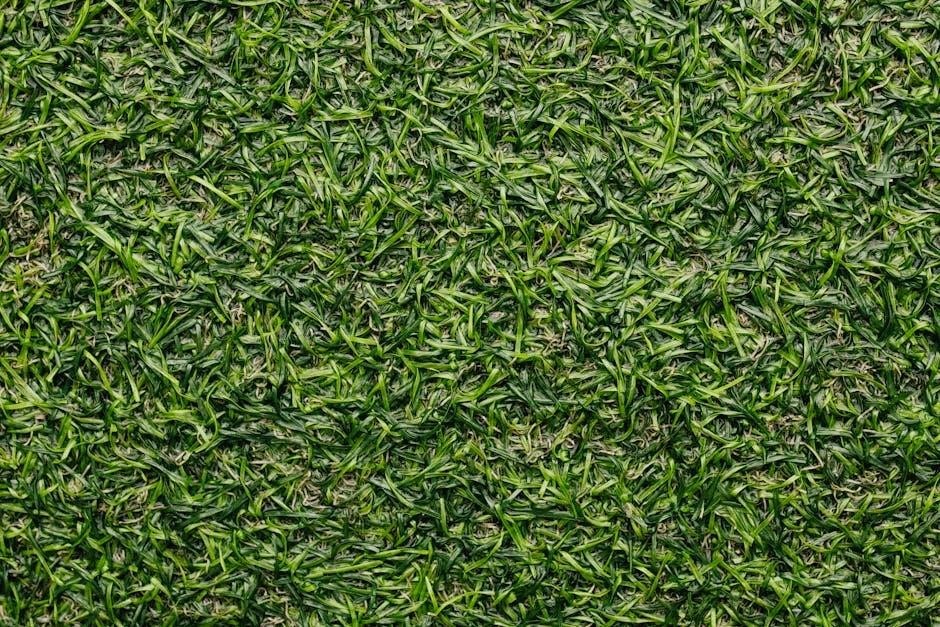
Dry soil will aggressively pull moisture from the freshly laid sod, leading to rapid dehydration and potential failure. Achieving this depth of wetting requires more than a superficial sprinkling; a sustained watering is necessary. Ensure the water penetrates deeply, not just creating a damp surface layer.
Timing is also key – wet the soil immediately before laying the sod, ensuring it doesn’t have a chance to dry out. This creates the ideal conditions for root establishment and a thriving new lawn.
Avoiding Installation on Dry Ground
Installing new sod onto parched, arid ground is a significant error that dramatically reduces the chances of successful establishment. Hot, dry soil acts like a sponge, relentlessly drawing moisture out of the freshly cut sod, leaving it dehydrated and vulnerable. This rapid moisture loss hinders root development, the cornerstone of a healthy lawn.
The immediate consequence is often browning and eventual death of the sod pieces, necessitating costly re-laying. Preventing this requires proactive soil preparation. Thoroughly saturate the soil before even considering sod placement.
Don’t underestimate the drying power of the sun and wind; even a short delay between wetting the soil and laying the sod can compromise results. Prioritize moisture – it’s the foundation for a lush, thriving lawn.

Sod Delivery and Handling
Coordinate sod delivery to align precisely with your site preparation completion; prompt installation is key. Inspect each piece for quality upon arrival, and store temporarily if needed.
Timing Sod Delivery with Preparation
Strategic timing is paramount when it comes to sod delivery. The ideal scenario involves coordinating the arrival of your sod with the immediate completion of all necessary site preparation. This minimizes the time the sod spends off the ground, reducing stress and maximizing its chances of successful establishment.
Avoid ordering sod weeks in advance, as prolonged storage can lead to deterioration. Conversely, don’t begin site prep without a confirmed delivery date. A delay could leave your prepared ground vulnerable to weeds or erosion.
Remember, the goal is a seamless transition from delivery to installation. Having everything ready – loosened soil, amendments applied, and a clear plan – ensures a swift and efficient process, giving your new lawn the best possible start. Prioritize this synchronization for optimal results!
Inspecting Sod Quality Upon Arrival
A thorough inspection is crucial the moment your sod arrives. Don’t assume quality – verify it! Begin by checking for a fresh, healthy appearance. The sod should be green, with a robust root system evident when you gently lift a corner. Avoid pallets exhibiting brown, brittle, or discolored patches, as these indicate potential issues.
Feel the sod; it should be cool and moist to the touch, not dry or excessively warm. Inspect for weeds or signs of disease. A slight earthy smell is normal, but any foul odor is a red flag.
Document any discrepancies immediately with the supplier. Rejecting substandard sod upfront saves significant headaches later. Remember, investing in high-quality sod is an investment in the long-term health and beauty of your lawn!
Temporary Sod Storage (If Necessary)
Ideally, sod should be installed immediately upon delivery. However, if delays are unavoidable, proper temporary storage is vital to prevent deterioration. The key is to maintain moisture and prevent overheating. Stack pallets no more than two high to avoid crushing the lower layers.
Position the sod in a shaded, well-ventilated area, away from direct sunlight and heat sources. If possible, lightly water the pallets to keep the sod moist, but avoid overwatering, which can lead to spoilage.
Prolonged storage (over 24 hours) significantly increases the risk of the sod drying out and losing viability. Minimize storage time whenever possible, and prioritize installation to ensure the best results. Remember, healthy sod is happy sod!

The Sod Laying Process
Begin by staggering sod rows, resembling a brick pattern, for a seamless and natural appearance. Ensure tight seams between each piece, minimizing gaps for optimal growth.
Carefully cut sod to precisely fit irregular shapes and around obstacles, maximizing coverage and aesthetic appeal.
Staggering Sod Rows for Seamless Appearance
Achieving a truly seamless and natural-looking lawn hinges on the technique of staggering sod rows during installation. Think of it like laying bricks – instead of lining up the end joints in each row, you offset them. This prevents long, visible seams that can detract from the overall aesthetic and potentially create weak points where grass struggles to establish.
When laying your first row, start along a straight edge, like a driveway or sidewalk. The subsequent row should begin with a half-piece of sod, effectively offsetting the seams by half the length of a sod piece. Continue this pattern for each row, ensuring a brick-like arrangement. This interlocking pattern not only looks more natural but also distributes the seams, promoting stronger root establishment and a more uniform appearance as the sod grows together. Proper staggering is a foundational element for a beautiful, enduring lawn.
Ensuring Tight Seams Between Sod Pieces
Close contact between sod pieces is paramount for successful root establishment and a lush, unified lawn. Gaps or spaces between sections create opportunities for weeds to invade and hinder the sod’s ability to knit together seamlessly. After laying each piece, firmly press it into the prepared soil, ensuring full contact with the underlying surface.
Use a sod roller – available for rent at most equipment rental stores – to further compress the sod and eliminate any remaining air pockets. Walk firmly over the entire newly laid area, paying particular attention to the seams. This process encourages root growth across the seams, rather than underneath them, fostering a strong, interconnected turf. Tight seams are a critical step towards a healthy, vibrant, and long-lasting lawn.
Cutting Sod to Fit Irregular Shapes
Lawn edges rarely conform to perfect rectangles; therefore, precise cutting is essential for a professional finish. A sharp utility knife or sod cutter is your best tool for navigating curves, corners, and obstacles like trees or flowerbeds. Measure carefully and mark the sod with chalk before cutting, ensuring a snug fit.
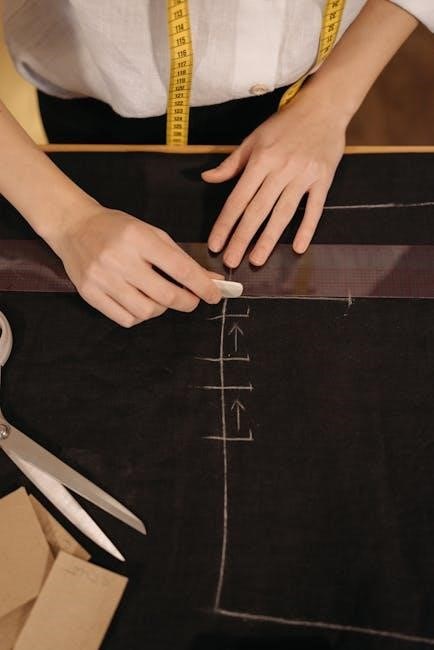
Avoid tearing the sod, as this can damage the root system. Instead, make clean, deliberate cuts. For intricate shapes, it’s often easier to cut the sod in smaller sections. Remember to stagger the cuts to minimize visible seams. Properly fitted sod not only looks better but also promotes faster root establishment and prevents unsightly gaps where weeds can take hold. Patience and precision are key!
Post-Installation Watering
Initial, thorough watering is paramount, saturating the soil to encourage deep root development. Consistent moisture is vital, and remember: water, water, and more water!
Initial Watering: Saturating the Soil
The very first watering after sod installation is arguably the most critical step in ensuring successful establishment. Your goal isn’t simply to moisten the surface, but to thoroughly saturate the soil beneath the sod, reaching a depth of 2 to 3 inches. This initial deep soaking is essential for encouraging the new roots to grow downwards and bind with the existing soil.
Water immediately after the final sod piece is laid, avoiding any delay. Apply enough water to visibly dampen the sod and the underlying ground. You should be able to easily lift a corner of the sod to confirm the moisture penetration. Don’t be afraid to water heavily – this is the time to really soak it in!
Insufficient initial watering can lead to the edges of the sod drying out and lifting, hindering root establishment and potentially causing the sod to die. Remember, laying sod on hot, dry ground is particularly risky, as the ground can quickly draw moisture from the sod itself.
Maintaining Consistent Moisture Levels
Following the initial deep watering, maintaining consistent moisture is paramount for the next several weeks. The goal is to keep the soil consistently damp, not soggy, to encourage robust root development. Frequent, lighter waterings are generally more effective than infrequent, heavy soakings, as they prevent runoff and ensure the root zone remains adequately hydrated.
Monitor the sod daily, checking for signs of wilting or discoloration, which indicate insufficient moisture. Adjust your watering schedule based on weather conditions – hotter, windier days will require more frequent watering. A good rule of thumb is to water deeply enough to moisten the soil 4-6 inches down.
The critical role of water during this phase cannot be overstated; it’s the lifeline for the new roots as they establish themselves. Consistent moisture is the key to a lush, healthy lawn!
The Critical Role of Water in Root Establishment
Water is undeniably the most crucial element in successful sod establishment. New sod relies entirely on external water sources until its roots penetrate the underlying soil. This initial rooting phase is incredibly sensitive, and any lapse in consistent moisture can lead to drying, shrinking, and ultimately, sod failure.
Water facilitates the transfer of nutrients from the starter fertilizer to the developing roots, fueling growth and strengthening the plant. It also helps the sod adhere to the soil, preventing edges from lifting and creating air pockets. Think of water as the glue and the food for your new lawn simultaneously!
Prioritize diligent watering, especially during the first two weeks, to ensure a thriving, firmly rooted lawn. Remember, water equals life for your new sod!
Ongoing Lawn Maintenance
Regular mowing, fertilization, and weed control are essential for a healthy, enduring lawn. Initial mowing should be performed when the grass reaches a suitable height.
Follow a consistent fertilization schedule and proactively manage weeds to maintain a lush, vibrant turf.
First Mow Timing and Height
Resist the urge to mow your newly laid sod immediately! Allowing the grass to establish a strong root system is paramount before subjecting it to the stress of mowing.
Typically, you can perform the first mow when the grass blades are approximately 3-4 inches tall. This usually occurs around 2-3 weeks after installation, but observe the growth rate – it can vary based on grass type and weather conditions.
When you do mow for the first time, set your mower blade to a higher setting – around 2.5 to 3 inches. This encourages deeper root growth and prevents scalping the tender new grass.
Subsequent mowings can gradually lower the height to your desired level, but avoid removing more than one-third of the grass blade length at a time to maintain healthy growth.
Sharp mower blades are crucial for a clean cut and to minimize stress on the new lawn.
Fertilization Schedule After Sodding
A robust fertilization plan is vital for successful sod establishment. The initial starter fertilizer, applied before laying the sod, provides an immediate nutrient boost to encourage root development.
However, this initial charge won’t last. Approximately 4-6 weeks post-installation, apply a balanced lawn fertilizer with a slow-release nitrogen formula. This provides sustained feeding without burning the delicate new grass.
Follow up with another application 8-10 weeks after the first, adjusting the fertilizer type based on your specific grass variety and soil test results.
Avoid over-fertilizing, as this can weaken the grass and promote weed growth. Consistent, moderate feeding is far more beneficial than infrequent, heavy applications.
Regular soil testing will help you tailor your fertilization schedule for optimal lawn health.
Weed Control Strategies for New Sod
Managing weeds in a newly sodded lawn requires a delicate approach. Avoid applying pre-emergent herbicides immediately after installation, as they can hinder root establishment of the new grass.
Instead, focus on preventative measures like ensuring healthy, dense turf through proper watering and fertilization. A thick lawn naturally suppresses weed growth;
If weeds do appear, hand-pulling is the safest method for the first few months. Be gentle to avoid disturbing the sod’s roots.
Once the grass is well-established – typically after the first mowing – you can consider a selective post-emergent herbicide specifically designed for new lawns. Always follow label instructions carefully.
Consistent monitoring and prompt removal of weeds are key to maintaining a pristine, weed-free lawn.