Article Plan: Concussion Exercises PDF

This detailed plan outlines a progressive return-to-sport protocol‚ utilizing PDF resources and incorporating physician-guided physical therapy for optimal concussion rehabilitation and recovery.
Concussions‚ a subset of mild traumatic brain injuries (TBIs)‚ arise from impacts causing brain movement within the skull. Historically‚ complete cognitive and physical rest was prescribed‚ but current guidelines increasingly support early‚ carefully monitored exercise as a crucial component of recovery. This shift acknowledges the potential benefits of controlled physical activity in restoring cerebral blood flow and facilitating symptom resolution.
However‚ returning to exercise too soon or at too high an intensity can exacerbate symptoms and prolong recovery. Therefore‚ a structured‚ progressive approach – often detailed in concussion exercise PDF protocols – is essential. These protocols‚ like the UPMC Sports Medicine Concussion Program‚ emphasize a gradual increase in activity levels‚ guided by symptom monitoring and physician evaluation. The aim is to restore physical fitness while minimizing the risk of re-injury or prolonged symptoms.
Early physical therapy‚ as indicated by research‚ is both safe and potentially accelerates recovery.
Understanding Concussion Symptoms
Recognizing concussion symptoms is paramount before initiating any exercise program. These symptoms are diverse and can manifest physically‚ cognitively‚ emotionally‚ and through sleep disturbances. Common physical symptoms include headaches‚ dizziness‚ balance problems‚ and visual disturbances. Cognitive symptoms may involve difficulty concentrating‚ memory issues‚ and feeling “foggy.” Emotional lability‚ irritability‚ and increased anxiety are also frequently reported.
Accurate symptom tracking‚ crucial for guiding rehabilitation‚ allows clinicians to tailor exercise intensity. Concussion exercise PDF resources often include symptom checklists to aid in this process. It’s vital to remember that symptoms can evolve over time and may not appear immediately after the injury.
Any athlete experiencing symptoms post-concussion must be removed from play and evaluated by a physician before considering a return to activity‚ even if they feel symptom-free.
The Role of Early Physical Therapy
Emerging evidence strongly supports the initiation of physical therapy soon after a concussion diagnosis. Contrary to previous beliefs‚ early intervention is now considered safe and potentially beneficial for faster recovery. Concussion exercise PDF protocols often emphasize a graded approach‚ starting with light activity and progressively increasing intensity based on symptom response;

Physical therapy addresses impairments like balance deficits‚ visual disturbances‚ and proprioceptive issues‚ all common post-concussion. Targeted exercises‚ detailed in specialized concussion exercise PDF guides‚ aim to restore these functions. Early physical therapy can help prevent deconditioning and secondary musculoskeletal problems.
A trained concussion specialist should guide the exercise program‚ ensuring it aligns with individual symptom presentation and tolerance levels.
Concussion Management Guidelines
Effective concussion management guidelines prioritize athlete safety and a structured return-to-play progression. Current recommendations mandate immediate removal from play following a suspected concussion‚ requiring physician evaluation before any return is considered‚ even with symptom absence. These guidelines‚ often detailed in concussion exercise PDF resources‚ emphasize a cautious‚ step-wise approach.
A key component involves symptom tracking; athletes should diligently monitor and report any changes to their healthcare provider. Protocols typically involve phased rehabilitation‚ starting with light cardio and advancing based on tolerance. Concussion exercise PDF materials often outline specific exercises for each phase.
Adherence to established guidelines‚ coupled with individualized exercise programs‚ is crucial for minimizing risks and optimizing recovery outcomes.
Importance of Physician Evaluation
A thorough physician evaluation is paramount in concussion management‚ serving as the cornerstone of a safe return-to-activity plan. Concussion exercise PDF protocols should only be initiated under the express guidance of a qualified medical professional. This evaluation establishes a baseline understanding of the injury‚ rules out more severe conditions‚ and personalizes the rehabilitation process.
Physicians assess symptom severity‚ cognitive function‚ and potential complications‚ tailoring exercise prescriptions accordingly. They determine when an athlete can progress through the phases outlined in concussion exercise PDF guides‚ ensuring symptom exacerbation is avoided.
Self-diagnosis and unsupervised exercise are strongly discouraged. A physician’s ongoing monitoring is vital throughout recovery‚ guaranteeing a safe and effective return to sport or daily activities.
Tracking Concussion Symptoms
Diligent symptom tracking is crucial when utilizing a concussion exercise PDF protocol. Regularly documenting the type‚ severity‚ and frequency of symptoms – such as headaches‚ dizziness‚ or cognitive difficulties – provides valuable insights into recovery progress. This information is essential for both the athlete and their physician.
Detailed records help identify triggers‚ assess the effectiveness of rehabilitation exercises‚ and prevent premature progression. Concussion exercise PDF programs are designed to be symptom-guided; any increase in symptoms warrants immediate cessation of activity and consultation with a medical professional.
Sharing this information with your doctor allows for informed adjustments to the treatment plan‚ optimizing the recovery process and minimizing the risk of prolonged symptoms.
Phase 1: Light Cardio Exercises
Phase 1‚ guided by a concussion exercise PDF‚ focuses on initiating low-intensity cardiovascular activity. This stage typically involves 10-15 minutes of light cardio‚ such as walking or stationary cycling‚ performed at a pace that doesn’t exacerbate symptoms. Multiple trials can be completed throughout the day‚ provided symptoms remain stable.
The goal is to gently increase blood flow to the brain without overloading the system. It’s vital to monitor for any worsening of concussion symptoms during and after exercise. This phase serves as a baseline assessment of tolerance to physical exertion.
Remember‚ symptom provocation dictates progression; if symptoms increase‚ activity should be reduced or halted‚ and a physician consulted.
Duration and Intensity of Phase 1
According to concussion exercise PDF protocols‚ Phase 1 exercises should initially last 10-15 minutes per session. Intensity must remain low – typically 50-60% of maximum predicted heart rate‚ calculated using methods like the Karvonen equation. Multiple short bouts are preferred over one prolonged session‚ allowing for symptom monitoring between each trial.
The focus isn’t on achieving a specific heart rate‚ but on maintaining an activity level that doesn’t worsen symptoms. If symptoms remain stable‚ duration can be gradually increased by 2-3 minutes per session. Progression is highly individualized and dependent on the athlete’s response.
Consistent symptom tracking is crucial during this phase‚ informing adjustments to duration and intensity.
Equipment Recommendations for Phase 1

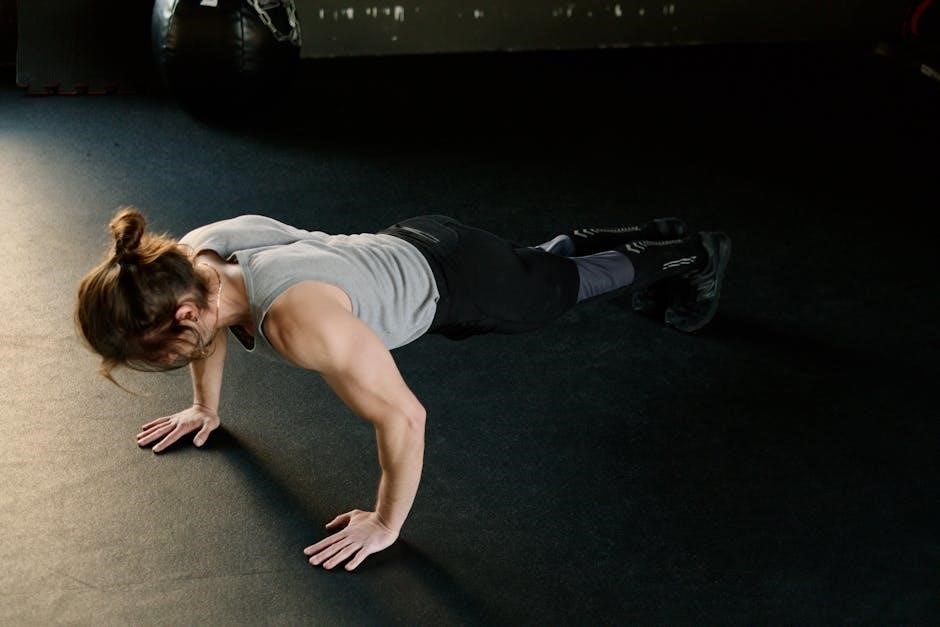
Concussion exercise PDF guidelines suggest a variety of low-impact equipment for Phase 1. Stationary bikes are excellent‚ allowing controlled intensity and minimal risk of further injury. Treadmills can be used for walking‚ starting at a slow pace and gradually increasing incline if tolerated.
Elliptical trainers offer a non-impact cardio option‚ reducing stress on joints. Rowing machines can be incorporated cautiously‚ focusing on proper form and avoiding excessive exertion. The key is selecting equipment that allows for easy modification of intensity and doesn’t require complex movements.
Avoid resistance training or activities with a high risk of head impact during this initial phase.
Introducing Positional Changes in Phase 1
Concussion exercise PDF protocols emphasize a gradual introduction of positional changes during Phase 1. Begin with simple head movements – slow‚ controlled nods and shakes – assessing for symptom exacerbation. Progress to gentle neck range of motion exercises‚ avoiding any movements that provoke dizziness or visual disturbances.
Introduce positional changes during light cardio‚ like briefly altering treadmill incline or bike resistance. These changes should be small and well-tolerated. Encourage athletes to report any symptom flare-ups immediately. The goal isn’t to push limits‚ but to gently challenge the vestibular system and proprioceptive awareness.
Careful monitoring is crucial; symptom-contingent progression is paramount.
Phase 2: Moderate Cardio Exercises
Concussion exercise PDF guidelines detail Phase 2 as a step up in intensity from light cardio. This phase involves increasing the duration and intensity of cardiovascular activity‚ but still remaining below pre-injury levels. Activities might include brisk walking‚ jogging‚ or cycling at a moderate pace‚ typically lasting 20-30 minutes.
Monitoring for symptom recurrence is vital. Athletes should be closely observed for any signs of dizziness‚ headache‚ or cognitive difficulties. If symptoms arise‚ the intensity should be immediately reduced or the exercise stopped. Heart rate monitoring‚ utilizing the Karvonen equation‚ can help maintain appropriate exertion levels.
Progression to Phase 3 is contingent on symptom-free performance during Phase 2.
Phase 3: Sport-Specific Exercises
Concussion exercise PDF protocols indicate Phase 3 focuses on reintroducing sport-specific activities in a controlled manner. This phase aims to bridge the gap between general cardio fitness and full participation. Exercises should mimic the demands of the athlete’s sport‚ but at reduced intensity and volume.
Examples include non-contact drills‚ passing exercises‚ or shooting practice. Crucially‚ there should be no head impact activities. Continued symptom monitoring is paramount; any symptom exacerbation necessitates a return to the previous phase. A physician’s clearance is essential before progressing.
Gradual increases in intensity and complexity are key‚ ensuring the athlete can tolerate the demands without symptom provocation. This phase prepares the athlete for a safe return to play.
Visual Exercises for Concussion Recovery
Concussion exercise PDF guides emphasize visual rehabilitation as a critical component of recovery. Concussions often disrupt visual processing‚ leading to difficulties with focus‚ tracking‚ and depth perception. Exercises aim to restore these functions.

Common exercises include smooth pursuit (following a moving target)‚ saccadic movements (rapidly shifting focus between targets)‚ and convergence/divergence exercises (focusing on objects at varying distances). These are often performed with specialized tools or simply using a finger or pen.
Progression involves increasing the speed and complexity of the exercises. It’s vital these are undertaken under the guidance of a trained concussion specialist‚ as improper execution can worsen symptoms. Consistent practice is key to regaining optimal visual function.
Vestibular Exercises for Concussion Recovery
Concussion exercise PDF protocols frequently include vestibular rehabilitation‚ addressing balance and dizziness – common post-concussion symptoms. These exercises target the vestibular system‚ located in the inner ear‚ which plays a crucial role in spatial orientation and stability.
Initial exercises often involve simple head movements in different planes‚ gradually increasing range and speed. More advanced exercises may incorporate balance challenges‚ such as standing on unstable surfaces or walking while turning the head.
The goal is to retrain the brain to accurately interpret signals from the vestibular system‚ reducing dizziness and improving balance. Like all exercises‚ progression should be guided by a healthcare professional to avoid exacerbating symptoms.
Proprioceptive Exercises for Concussion Recovery
Concussion exercise PDF guides often emphasize proprioceptive training‚ vital for restoring the sense of body position and movement in space. Concussions can disrupt proprioception‚ leading to clumsiness‚ instability‚ and increased risk of re-injury.
Exercises typically begin with simple activities like balancing on one leg‚ progressing to more challenging tasks involving unstable surfaces – balance boards or foam pads. Joint position sense exercises‚ where patients identify limb positions with eyes closed‚ are also common.
These exercises aim to enhance awareness of body position‚ improve coordination‚ and restore neuromuscular control. A trained therapist will tailor the program to individual needs‚ ensuring safe and effective progression. Consistent practice is key to regaining optimal proprioceptive function.
Target Heart Rate Calculation (Karvonen Equation)

Concussion exercise PDF protocols frequently utilize the Karvonen equation to personalize exercise intensity during rehabilitation. This method accounts for individual resting heart rates‚ ensuring a safe and effective progression.
The equation is: Target Heart Rate = ((Max HR ⎼ Resting HR) x Target Percentage) + Resting HR. Max HR is estimated as 220 minus age. Determining accurate resting heart rate is crucial – typically measured first thing in the morning.
Target percentages vary based on the phase of recovery. Phase 1 often begins with 50-60%‚ gradually increasing as symptoms allow. Monitoring heart rate during exercise‚ using wearable technology‚ helps maintain the prescribed intensity and avoid exacerbating symptoms.
Post-Acute Concussion Treatment and Rehabilitation
Concussion exercises PDF guides often detail long-term strategies for individuals experiencing persistent post-concussion symptoms. This phase focuses on comprehensive rehabilitation extending beyond initial symptom resolution‚ potentially lasting a year or more for some claimants‚ excluding acute care costs.

Treatment encompasses visual‚ vestibular‚ and proprioceptive therapies‚ addressing specific deficits. Continued physical therapy is vital‚ building upon earlier phases with more challenging exercises. A multidisciplinary approach‚ involving physicians‚ therapists‚ and potentially neuropsychologists‚ is often recommended.
Rehabilitation aims to restore pre-injury function‚ manage ongoing symptoms‚ and facilitate a safe return to daily activities and‚ eventually‚ sport. Careful monitoring and individualized adjustments are key to success.
UPMC Sports Medicine Concussion Program
UPMC Sports Medicine offers a comprehensive concussion program dedicated to the evaluation‚ treatment‚ and rehabilitation of athletes and individuals following a concussion. Their approach aligns with current guidelines emphasizing physician evaluation before return to play‚ even if symptom-free.
The program likely incorporates elements found in concussion exercises PDF resources‚ such as progressive exercise protocols – light cardio progressing to moderate and sport-specific drills. They prioritize individualized treatment plans‚ addressing visual‚ vestibular‚ and proprioceptive impairments.
Expect a multidisciplinary team‚ potentially including physicians‚ athletic trainers‚ and physical therapists‚ utilizing evidence-based practices. The program aims for safe and effective return to activity‚ guided by symptom monitoring and objective measures.
Resources: Concussion Exercise PDFs
Numerous concussion exercise PDFs are available to support recovery‚ though always utilize them under the guidance of a trained concussion specialist. These resources often detail progressive rehabilitation protocols‚ mirroring the phases discussed – light cardio‚ moderate cardio‚ and sport-specific drills.
Search for materials from reputable sources like sports medicine organizations and academic institutions. Many PDFs outline specific visual‚ vestibular‚ and proprioceptive exercises crucial for restoring balance and function. Look for documents detailing the Karvonen equation for target heart rate calculation during cardio phases.
Resources may also include symptom tracking logs and guidelines for post-concussion treatment. Remember‚ these PDFs are tools‚ not replacements for professional medical advice.
Long-Term Considerations & Return to Play
Successful return to play following a concussion necessitates careful‚ long-term consideration‚ extending beyond symptom resolution. Guidelines emphasize a gradual progression‚ avoiding premature re-engagement that risks re-injury and prolonged recovery. Even with diligent exercise and rehabilitation‚ some individuals may experience persistent post-concussion symptoms.
Ongoing monitoring and potential referral for specialized treatment are crucial. The UPMC Sports Medicine Concussion Program exemplifies comprehensive care. Understanding that recovery isn’t linear is vital; setbacks can occur.
Future research continues to refine protocols and identify factors influencing long-term outcomes. Prioritizing brain health and adhering to medical advice are paramount for athletes and individuals recovering from mild traumatic brain injury (TBI).