
Embarking on a 10-day pouch reset is a structured dietary approach, often following bariatric surgery, designed to restore optimal digestive function and promote healthy eating habits.
This intensive plan, frequently detailed in resources like downloadable PDFs, systematically reintroduces foods – starting with liquids and progressing to solids – over a defined timeframe.
What is a Pouch Reset?
A pouch reset is a short-term, highly structured dietary protocol primarily utilized by individuals who have undergone bariatric surgery, though it can benefit others seeking digestive recalibration. Essentially, it’s a temporary return to a liquid and then progressively softer food diet, mirroring the initial post-operative stages.
The core principle revolves around “resetting” the stomach pouch, allowing it to heal and regain its intended function. Often found detailed in 10-day pouch reset PDFs, these plans systematically reduce food texture, minimizing strain on the digestive system. This process helps to break unhealthy eating patterns, address pouch stretching, and alleviate discomfort.
It’s not a weight loss diet, but a restorative one. By temporarily eliminating challenging foods, the reset aims to improve nutrient absorption, reduce inflammation, and re-establish appropriate portion control. The phased approach – clear liquids, full liquids, pureed foods, and finally soft foods – is crucial for successful implementation, as outlined in many available guides.
Why Consider a 10-Day Pouch Reset?
Several compelling reasons drive individuals to undertake a 10-day pouch reset, often guided by comprehensive 10-day pouch reset PDFs. One primary motivator is overcoming stalled weight loss or regaining lost weight post-bariatric surgery, frequently linked to pouch stretching or dietary creep.
Furthermore, a reset can address symptoms like persistent discomfort, bloating, or difficulty digesting food. It’s a proactive step to re-establish healthy eating habits and break free from cycles of unhealthy food choices. Many find it beneficial after periods of overindulgence or when experiencing food intolerances.
The structured nature of the reset provides a mental and physical break from complex dietary rules. It simplifies meal planning and encourages mindful eating. Ultimately, it’s about regaining control over your digestive health and reinforcing the principles of a bariatric lifestyle, promoting long-term success and well-being. It’s a tool for getting back on track.
Who Benefits Most from a Pouch Reset?
Individuals who have undergone bariatric surgery are the primary beneficiaries of a 10-day pouch reset, as detailed in readily available PDF guides. Specifically, those experiencing weight regain, stalled weight loss, or difficulty tolerating certain foods will find it particularly helpful.
Patients who have inadvertently stretched their pouch through overeating or consistently consuming incorrect food textures also stand to gain significantly. Those struggling with cravings, particularly for sugary or high-fat foods, can use the reset to break those patterns.
Beyond surgery patients, individuals with digestive issues, even without prior bariatric procedures, might benefit from a similar, albeit modified, approach. However, it’s crucial to consult with a healthcare professional before starting any restrictive diet. Ultimately, anyone seeking to reset their relationship with food and prioritize digestive health could find value in this structured program.
Understanding the Phases of the Reset
The 10-day pouch reset, often outlined in PDF guides, progresses through four distinct phases: clear liquids, full liquids, pureed foods, and finally, soft foods, carefully reintroducing textures.
Phase 1: Days 1-3 ー Clear Liquids
The initial phase of the 10-day pouch reset, as detailed in many PDF resources, focuses entirely on clear liquids for the first three days. This crucial step allows the digestive system to rest and recover, minimizing strain on the newly adjusted pouch.
Acceptable options during this phase are limited to ensure optimal healing. Think water, sugar-free gelatin, clear broth (fat-free), sugar-free popsicles, and diluted sugar-free juice. It’s vital to avoid any creamy or pulpy liquids, as these can hinder the resetting process.
Focus on sipping slowly throughout the day, aiming for at least 64 ounces of fluid intake to prevent dehydration. While it may be challenging, remember this phase is temporary and sets the foundation for successful reintroduction of foods. PDF guides often emphasize the importance of strict adherence during these initial days to maximize results.
This phase isn’t about satisfying hunger; it’s about hydration and allowing the pouch to heal. Expect to feel hungry, but resist the urge to deviate from the clear liquid diet.

Phase 2: Days 4-5 ー Full Liquids
Transitioning into Days 4 and 5 of the 10-day pouch reset, as outlined in comprehensive PDF guides, introduces full liquids while still prioritizing gentle digestion. This phase expands dietary options beyond clear liquids, but maintains a liquid consistency.
Acceptable full liquids include protein shakes (sugar-free, made with water or unsweetened almond milk), thinned cream of wheat, strained cream soups (again, fat-free), and sugar-free pudding. It’s crucial to ensure all liquids remain smooth and free of any solid particles.
Continue to prioritize protein intake to support healing and maintain muscle mass. Many PDF resources provide specific protein shake recipes tailored for post-bariatric surgery needs. Sip slowly and deliberately, avoiding gulping, to prevent discomfort or stretching of the pouch.
Hydration remains paramount; aim for at least 64 ounces of fluid daily. This phase represents a step forward, but strict adherence to the full liquid diet is essential for continued progress.
Phase 3: Days 6-9 ー Pureed Foods
Days 6 through 9 mark a significant progression in the 10-day pouch reset, as detailed in many helpful PDF guides – the introduction of pureed foods. This phase requires meticulous food preparation to achieve a completely smooth, lump-free consistency.
Suitable options include pureed lean meats (chicken, turkey, fish), well-cooked and pureed vegetables (carrots, squash, green beans), and pureed fruits (applesauce, bananas); Blending or food processing is essential to eliminate any texture.
PDF resources often emphasize portion control during this phase; start with small, 2-3 tablespoon servings to assess tolerance. Protein remains a priority, and incorporating pureed protein sources into each meal is vital. Avoid adding sugar, fats, or seasonings that could hinder progress.
Continue sipping fluids between meals to maintain hydration. Pay close attention to your body’s signals; any discomfort indicates a need to revert to the previous phase. This stage builds towards solid foods, but patience and proper texture are key.
Phase 4: Day 10 & Beyond ー Soft Foods
Day 10 and the subsequent weeks represent the final phase of the 10-day pouch reset, as outlined in comprehensive PDF guides, transitioning to soft foods. This stage allows for slightly more texture, but foods should still be easily chewed and digested.
Acceptable options include scrambled eggs, flaked fish, ground meat, well-cooked and softened vegetables, and soft fruits like peaches or pears. Avoid tough, fibrous foods or anything requiring extensive chewing.
PDF resources often recommend introducing one new food at a time, monitoring for any digestive discomfort. Continue prioritizing protein and maintaining small, frequent meals. Portion sizes should remain moderate, gradually increasing as tolerance improves.
Hydration remains crucial, and mindful eating practices are essential for long-term success. This phase isn’t a return to pre-surgery eating habits, but a step towards a sustainable, healthy diet. Continued adherence to the principles of the reset will support pouch health and weight management.
Detailed Meal Plan Breakdown
A 10-day pouch reset PDF typically provides a structured meal plan, progressing through phases. It details recipes for clear, full, pureed, and soft foods, ensuring a guided dietary journey.
Sample Recipes for Clear Liquid Phase
The initial phase, days 1-3, focuses on clear liquids, crucial for hydration and gentle stomach preparation. A 10-day pouch reset PDF will often include recipes for sugar-free gelatin, broth (chicken, beef, or vegetable – ensure it’s defatted), and diluted sugar-free juice.
Here are a few examples:
- Homemade Chicken Broth: Simmer chicken bones with vegetables (carrots, celery, onion) for several hours, then strain thoroughly. Season lightly with salt if permitted.
- Sugar-Free Gelatin: Prepare gelatin according to package directions, using only sugar-free options.
- Diluted Sugar-Free Juice: Mix a small amount of sugar-free juice (cranberry, apple) with water – a ratio of 1:4 or 1:5 is recommended.
- Herbal Tea: Unsweetened herbal teas (chamomile, peppermint) are excellent choices, providing warmth and hydration.

Important considerations: Avoid any pulp, solids, or added sugars. Sip slowly throughout the day to maintain hydration and prevent discomfort. These recipes, detailed in a typical PDF, prioritize nourishment without stressing the newly adjusted pouch.
Sample Recipes for Full Liquid Phase
Days 4-5 transition to full liquids, introducing slightly more substance while remaining easily digestible. A 10-day pouch reset PDF commonly features recipes for protein shakes, strained cream soups, and sugar-free pudding. These options provide essential nutrients without challenging the recovering pouch.
Here are some examples:
- Protein Shake: Blend protein powder (whey or plant-based) with water or unsweetened almond milk.
- Strained Cream Soup: Blend cooked vegetables (carrot, butternut squash) with broth and a small amount of cream, then strain thoroughly to remove any solids.
- Sugar-Free Pudding: Prepare sugar-free pudding using instant pudding mix and unsweetened almond milk.
- Unsweetened Applesauce (very thin): Ensure it’s completely smooth and watery in consistency.
Key points: Ensure all liquids are smooth and free of any chunks or particles. Sip slowly and stop if you experience any discomfort. A detailed PDF will emphasize portion control and the importance of protein intake during this phase.
Sample Recipes for Pureed Food Phase
Phase 3, days 6-9, introduces pureed foods, requiring meticulous preparation to achieve a completely smooth consistency. A 10-day pouch reset PDF will highlight the importance of blending and straining to avoid any potential blockages or discomfort. Recipes focus on lean proteins and easily digestible vegetables.
Consider these options:

- Pureed Chicken & Broth: Blend cooked chicken breast with low-sodium chicken broth until completely smooth.
- Pureed Fish: Steam or bake white fish (cod, tilapia) and blend with a small amount of broth or water.
- Pureed Vegetables: Steam carrots, green beans, or squash and puree until silky smooth, adding broth for desired consistency.
- Egg Drop Soup (pureed): Blend a simple egg drop soup, ensuring no egg pieces remain.
Remember: Each portion should be small and consumed slowly. A comprehensive PDF will stress the need to avoid spices and seasonings during this phase, focusing on bland, easily tolerated foods.
Sample Recipes for Soft Food Phase
Day 10 and beyond marks the transition to soft foods, a crucial step in the 10-day pouch reset, as detailed in many accompanying PDFs. This phase allows for slightly more texture, but still prioritizes easy digestion and minimal strain on the pouch. Recipes emphasize moist, tender options.
Here are some suitable choices:
- Scrambled Eggs: Cooked softly with a little water or broth for added moisture.
- Flaked Fish: Gently cooked and flaked fish, like salmon or cod, is easily digestible.
- Ground Turkey or Chicken: Lean ground meat, cooked thoroughly and served with a small amount of gravy.
- Mashed Sweet Potato: A naturally sweet and soft option, providing essential nutrients.
A good PDF resource will advise to cut food into very small pieces and chew thoroughly. Avoid dry or fibrous foods, and continue to prioritize protein intake during this phase.

Tracking Progress & Utilizing a Food Journal
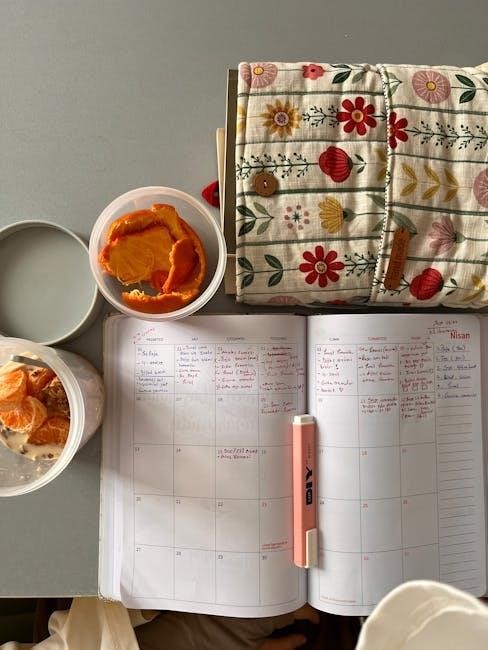
A food journal is vital during the 10-day reset, often included in PDF guides, to monitor intake and identify triggers. Consistent recording supports long-term success and accountability.
Importance of a Food Journal During the Reset
Maintaining a detailed food journal is absolutely crucial throughout the 10-day pouch reset process, and many comprehensive PDF guides emphasize this point. It’s far more than simply listing what you eat; it’s a powerful tool for self-awareness and behavioral modification. The reset aims to recalibrate your eating habits post-bariatric surgery, and a journal provides invaluable data to understand your body’s responses to different food textures and consistencies.
Specifically, a journal helps identify potential problem areas – cravings, emotional eating triggers, or foods that cause discomfort. By meticulously recording your intake, you can pinpoint patterns and make informed adjustments to your diet. Many reset PDFs include pre-formatted journal pages, streamlining the process. This isn’t just about adherence to the diet; it’s about learning to listen to your body and recognizing fullness cues.
Furthermore, the act of journaling itself can increase accountability and motivation. Seeing your progress visually can be incredibly encouraging, especially during challenging phases. It transforms the reset from a restrictive diet into an active learning experience, setting the stage for sustainable, healthy eating habits long after the 10 days are complete.
What to Record in Your Pouch Reset Journal
A thorough pouch reset journal, often included within detailed PDF guides, should capture more than just meal details. Begin with the date and time of each entry. Precisely record what you consumed – be specific about portion sizes and ingredients. Note the texture of the food (clear liquid, pureed, soft) aligning with the current phase of the reset.
Crucially, document how you felt before, during, and after eating. Were you truly hungry, or was it an emotional craving? Did you experience any discomfort, bloating, or nausea? Rate your hunger and fullness levels on a scale (e.g., 1-10).
Also, include details about your hydration – how much water did you drink? Many PDFs suggest tracking protein intake, vital for post-bariatric surgery recovery. Finally, jot down any non-food related factors that might influence your eating, such as stress levels or activities; This holistic approach transforms the journal into a personalized roadmap for success, maximizing the benefits of the 10-day reset.
Using the Journal for Long-Term Maintenance
The 10-day pouch reset journal isn’t just for the reset itself; it’s a powerful tool for sustained success, often emphasized in comprehensive PDF resources. After the reset, continue logging your food intake, focusing on portion control and mindful eating. Review your journal entries to identify trigger foods or situations that lead to unhealthy choices.
Analyze patterns – do you consistently overeat when stressed? Does a specific food cause discomfort? This self-awareness is key to preventing pouch stretching and regaining unhealthy habits. Use the journal to plan meals in advance, ensuring adequate protein and hydration.
Many PDF guides encourage using the journal for recipe experimentation and tracking new foods as you reintroduce them. Regularly reviewing past entries can reinforce positive behaviors and provide motivation. Think of it as a continuous feedback loop, helping you stay accountable and maintain a healthy relationship with food long after the reset is complete.
Potential Challenges and How to Overcome Them
A 10-day pouch reset, detailed in many PDF guides, can present hurdles like hunger and fatigue. Preparation, hydration, and mindful strategies are crucial for navigating these challenges effectively.
Hunger and Cravings Management
Navigating hunger and cravings is a significant aspect of the 10-day pouch reset, as outlined in numerous PDF resources. The initial phases, focusing on liquids and purees, naturally reduce caloric intake, potentially triggering feelings of emptiness or intense desires for previously enjoyed foods.
Strategies for managing these sensations are vital for success. Increasing water intake is paramount; often, thirst is mistaken for hunger. Sipping broth or sugar-free beverages can provide a sense of fullness. Distraction techniques, such as engaging in hobbies or light exercise, can also divert attention from cravings.
Mindful eating practices are incredibly beneficial. Even with limited food choices, savor each bite and focus on the texture and flavor. Recognizing emotional triggers for cravings is also key; journaling, as often suggested in reset PDFs, can help identify these patterns. Remember, the reset is temporary, and these feelings will subside as your body adjusts.
Don’t hesitate to reach out for support – connect with a bariatric community or your healthcare team for guidance and encouragement during this challenging period.

Dealing with Fatigue
Fatigue is a commonly reported side effect during a 10-day pouch reset, frequently addressed within comprehensive PDF guides. The significant reduction in caloric and carbohydrate intake can understandably lead to decreased energy levels, particularly in the initial phases of the diet.
Prioritizing rest is crucial. Allow your body ample time to recover and avoid overexertion. Short, gentle walks can be beneficial, but strenuous activity should be minimized. Adequate sleep – aiming for 7-8 hours per night – is non-negotiable.
Ensure sufficient hydration, as dehydration can exacerbate fatigue. Sip water consistently throughout the day. Electrolyte imbalances can also contribute to tiredness; consider discussing electrolyte supplementation with your healthcare provider.
Listen to your body and adjust your activity level accordingly. Recognize that fatigue is a temporary consequence of the reset process and will likely improve as your body adapts. Many reset PDFs emphasize self-compassion during this period, acknowledging the physical demands of the diet.
Staying Hydrated
Maintaining adequate hydration is paramount during a 10-day pouch reset, a point consistently emphasized in detailed PDF resources. Reduced food intake necessitates a conscious effort to consume sufficient fluids to prevent dehydration, which can mimic hunger and hinder the reset process.
Aim for at least 64-80 ounces of water daily, sipping consistently throughout the day rather than consuming large amounts at once. Water is the ideal choice, but unsweetened herbal teas and clear broths can also contribute to your fluid intake.
Avoid sugary drinks, including juices and sodas, as they provide empty calories and can disrupt the reset. Monitor your urine color; pale yellow indicates adequate hydration, while dark yellow suggests you need to drink more.
Many pouch reset PDFs include hydration trackers to help you monitor your progress. Be mindful of fluid intake during the clear liquid phase, as this is when dehydration is most likely to occur. Prioritizing hydration supports optimal digestion and overall well-being throughout the reset.